ECG Machine ?
05 Aug, 2025
Blog 1: What is an ECG Machine?
Q: What is an ECG machine?
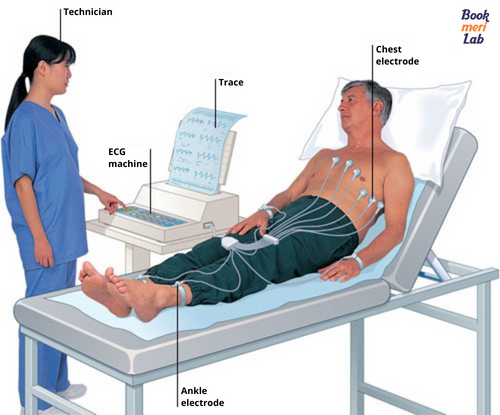
An ECG (Electrocardiogram) machine is a medical device used to record the electrical activity of the heart over time. It provides a graphical representation of heart rhythms and is essential for diagnosing cardiac conditions.
Blog 2: What Does an ECG Machine Measure?
Q: What does an ECG machine measure?
An ECG machine detects and amplifies the tiny electrical impulses generated by heart muscle contractions. It displays these signals as waveforms, typically showing P, QRS, and T waves, which represent different phases of the cardiac cycle.
Blog 3: Basic Anatomy Relevant to ECG
Q: Which parts of the heart are assessed by ECG?
An ECG reflects the electrical activity of the heart's atria and ventricles. Key anatomical points:
_ SA Node (Sinoatrial Node): Natural pacemaker
_ AV Node (Atrioventricular Node): Electrical relay station
_ Bundle of His & Purkinje fibers: Conduct impulses through ventricles
Q: What are ECG leads and electrodes?
ECG leads are the views of the heart's electrical activity from different angles. Electrodes are small pads placed on the patient’s skin to detect the electrical signals.
Blog 4: Core Product Design Concepts of ECG Machines
Q: What are the key components of an ECG machine?
_ Electrodes: Capture electrical signals from the body
_ Leads: Wires connecting electrodes to the device
_ Amplifier: Boosts weak heart signals
_ Filter Circuit: Removes noise and artifacts
_ Analog-to-Digital Converter (ADC): Converts analog signals to digital form for processing
_ Display/Printer: Shows the waveform
_ Microcontroller: Controls device operation and signal processing
Q: What design features are important for ECG machines?
_ High signal-to-noise ratio for accurate readings
_ Safety features (isolation circuits, leakage current protection)
_ Portability (for bedside or ambulatory monitoring)
_ User interface (touchscreen, buttons, software)
_ Data storage and connectivity (USB, Bluetooth, cloud)
Blog 5: Steps to Understand and Design an ECG Machine
Q: How should an engineer approach ECG machine design?
1. Understand Human Cardiac Physiology: Know the heart’s electrical pathways and typical ECG waveform.
2. Sensor Selection: Choose high-quality, low-noise electrodes and leads.
3. Signal Conditioning: Design amplifiers and filters to clean and amplify the cardiac signals.
4. Safety Compliance: Implement isolation and patient safety standards (IEC 60601-1).
5. Data Acquisition: Use ADCs with suitable resolution (at least 12 bits, 500 Hz sampling).
6. User Interface: Design clear, intuitive displays for waveform and alerts.
7. Testing and Calibration: Validate accuracy using simulators and real data.
8. Regulatory Approvals: Ensure compliance with medical device regulations.
Blog 6: Why is ECG Important for Biomedical and Electronics Engineers?
Q: Why should engineers study ECG machines?
_ ECG machines combine electronics, biomedical engineering, and clinical practice.
_ They provide hands-on experience with analog and digital systems, signal processing, safety design, and healthcare standards.
_ Innovating in ECG technology improves patient outcomes and advances medical diagnostics.
For expert ECG machine repair, prototyping, or training, contact Multi Tech Business Solutions Pvt. Ltd.—your trusted biomedical partner across Rawalpindi, Lahore, and Peshawar.
Faizan Ullah Khan
BS Electronics (Yr 18-2022)
Technical Manager
Biomedical Department
Multi Tech Business Solutions (Pvt) Ltd.
Rawalpindi | Lahore | Peshawar
Back to Blogs